
Story & Photography by: Verla Price
Honoring a Rich Legacy of Culture, Resilience & Community
Each February, Pensacola comes alive with vibrant celebrations of Black History Month — honoring centuries of African American heritage in this historic Gulf Coast city and uplifting voices that have shaped its identity. From the streets of Belmont-DeVilliers to the halls of power, Pensacola’s Black community has built rich traditions, transformative leadership, and enduring cultural contributions that continue to shape the city’s future.
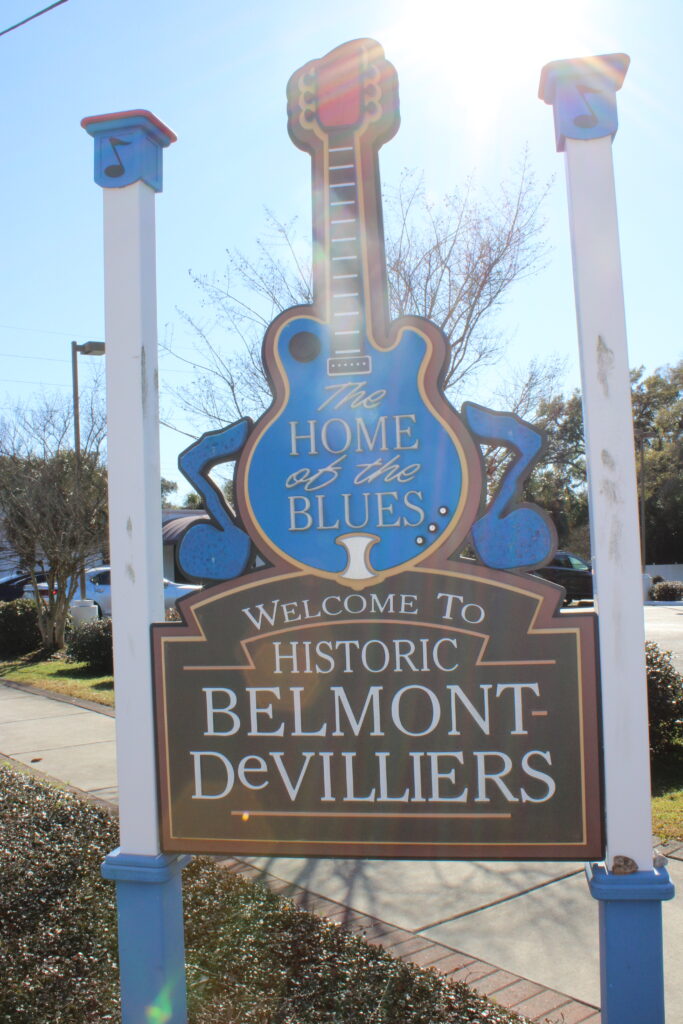
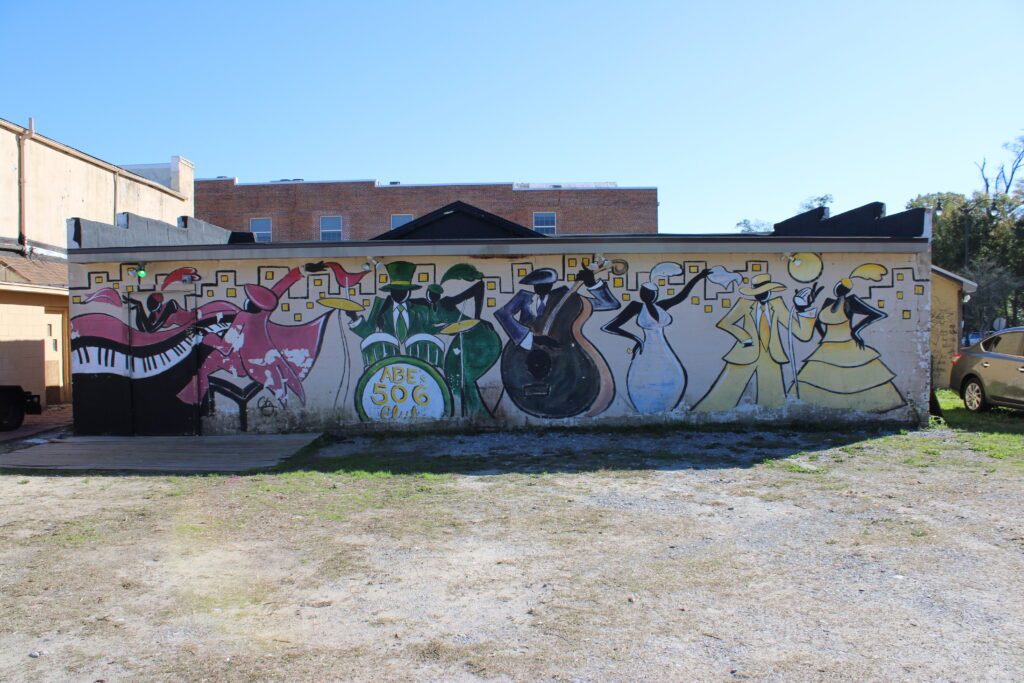
Long before Black History Month was nationally recognized, African Americans contributed to Pensacola’s history as early as the 16th century. Its port and waterfront were central to early settlement and trade, and African American influence has been present throughout Pensacola’s development. The historic Belmont-DeVilliers district stands as one of the most tangible reminders of this legacy — once a thriving hub of Black-owned businesses, music venues, and social life. In its prime, this neighborhood was part of the famed Chitlin’ Circuit, a network of performance spaces where national music legends graced local stages.
Historic sites like Julee Cottage, now part of the Black History Museum of West Florida, tell the story of free women of color who forged entrepreneurial paths and supported their community even during the era of slavery. Julee Panton, an early owner, sold goods and is believed to have helped others gain freedom — a legacy of courage echoed through Pensacola’s Black history.
The Struggle and Triumph of Civil Rights
Pensacola’s Black community endured profound challenges, yet persistent activism drove progress throughout the 20th century. The Pensacola lunch counter sit-ins of the early 1960s became pivotal moments in the local Civil Rights Movement. Young activists staged sit-ins at downtown lunch counters, demanding integration and equality; their steadfast commitment helped bring about desegregation of these public spaces by 1962.
Today, these historic markers and sites offer reflection on both hardship and achievement — and they continue to inspire new generations.
Icons & Leaders from Pensacola
Pensacola’s history features remarkable leaders whose accomplishments reached far beyond city limits.
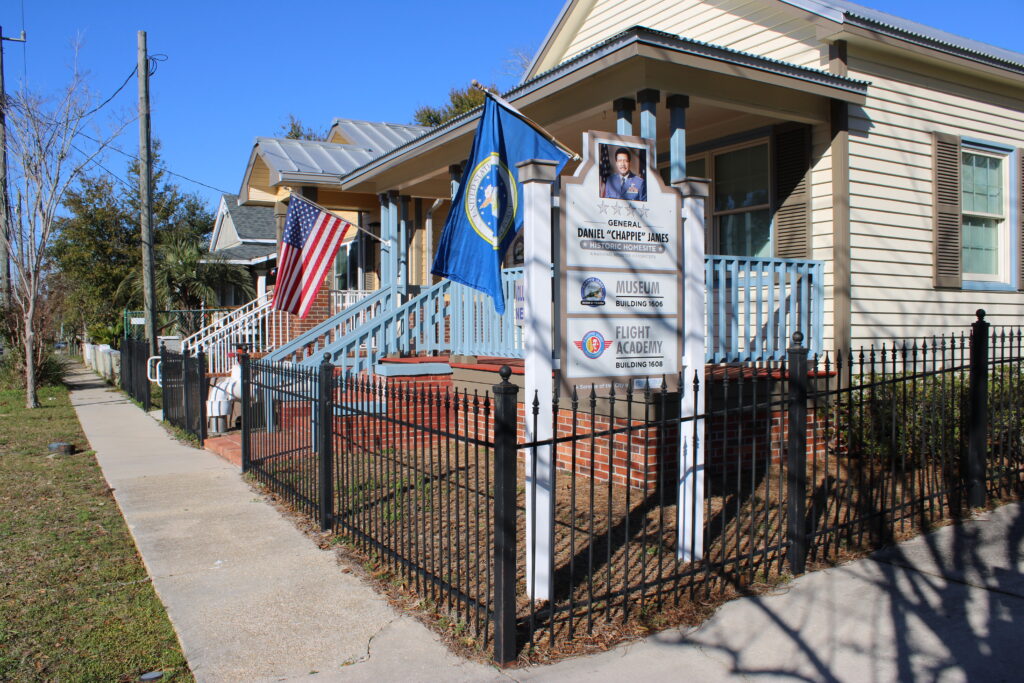
One of Pensacola’s most celebrated figures is General Daniel “Chappie” James Jr., born here in 1920. He rose from humble beginnings to become the first African American four-star general in United States Air Force history, breaking barriers during World War II, the Korean War, and the Vietnam War.
James began his journey inspired by aviation in Pensacola and trained with the Tuskegee Airmen before earning his historic promotion in 1975. His legacy endures through the General Daniel “Chappie” James Jr. Museum & Flight Academy, located at his childhood home, and community programs that continue to inspire youth in STEM and aviation.
Equally influential was Lillie Anna “Mother” James, a lifelong educator in Pensacola who established a school for African American children — including her son Chappie. Her motto, “Thou shalt not quit,” served as a guiding principle for her students and community
In the post-Civil War era, leaders like John Sunday Jr. helped shape Pensacola’s civic and economic landscape. A veteran of the United States Colored Infantry who became a successful businessman and landowner, Sunday’s contributions extended to public service and community building. Pensacola now honors him with John Sunday Jr. Plaza, recognizing his role as one of the first African Americans elected to local and state office in the 1870s.
Culture, Music & Community Resilience
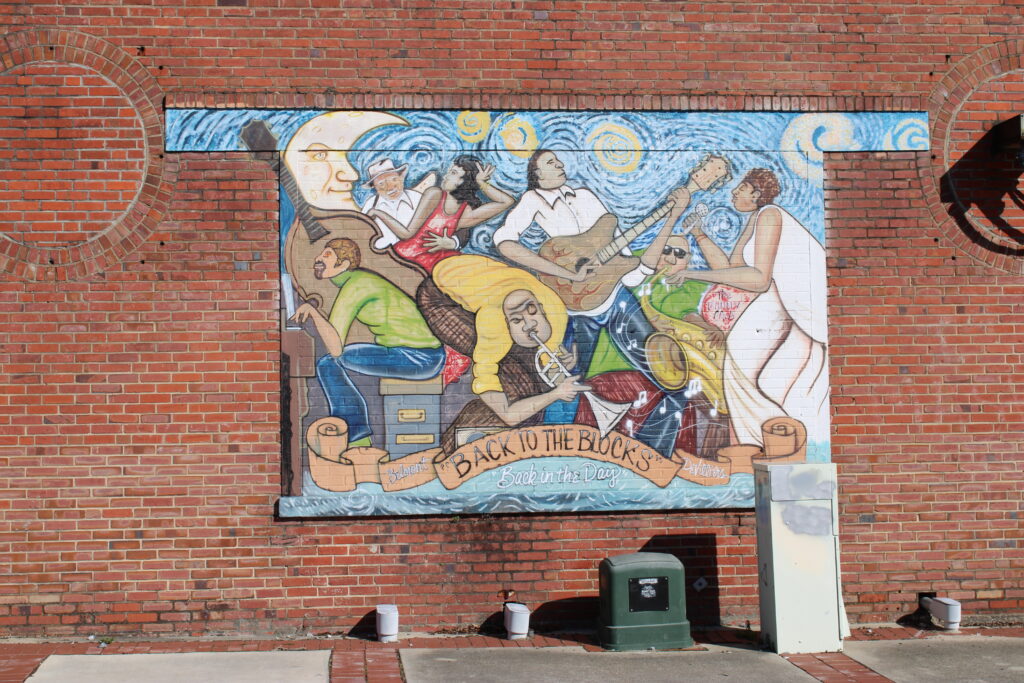
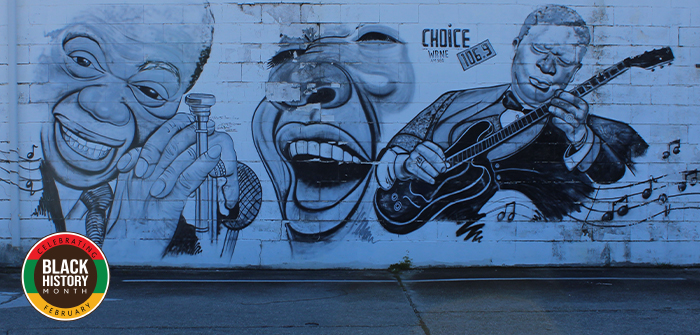
Music and culture have long been at the heart of Pensacola’s Black heritage. Belmont-DeVilliers, often called “The Blocks,” was once a commanding stop on the regional blues and jazz circuit, where swing, rhythm and blues, and soul brought communities together. Even as neighborhoods evolved through segregation and economic shifts, the spirit of cultural expression endured.
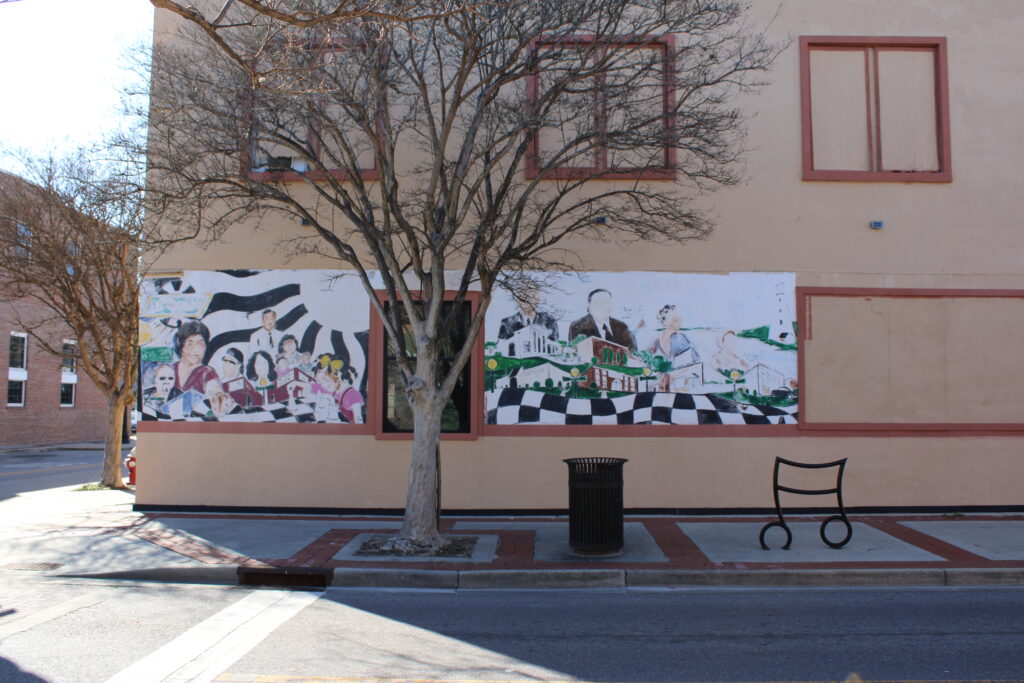
Today, this legacy is celebrated through festivals, murals, and local business revitalization that honor the traditions of community, hospitality, and shared heritage.
Celebrating Black Culture & Enterprise
Black History Month in Pensacola isn’t just remembrance — it’s a celebration of contemporary culture and entrepreneurship. Community organizations like Black Business Pensacola work year-round to support and elevate Black-owned businesses across the city, fostering economic empowerment and shared success.
From beloved eateries and artisans at Palafox Market to service providers and creative entrepreneurs, Black business leaders contribute vibrancy and innovation to Pensacola’s modern identity. Celebrations during Black History Month often spotlight these businesses, inviting residents and visitors to experience local culture at its finest.
Honoring the Past, Inspiring the Future
As Pensacola observes Black History Month, the community comes together through concerts, exhibits, educational programs, and cultural events that honor both history and future potential. Local institutions such as the African American Heritage Society and educational tours along the heritage trail provide opportunities to learn, connect, and celebrate contributions that have shaped the city’s soul.
This month and beyond, Pensacola’s story — anchored in perseverance, achievement, and cultural pride — stands as a testament to the enduring legacy of its Black community. It is a history that not only deserves recognition but also inspires ongoing dialogue, learning, and shared celebration.
Black History Month in Pensacola is not merely a commemoration of dates and names; it is a living testament to community resilience, cultural richness, and the leaders — past and present — who continue to elevate the city into its future.