
Story by: Steve Black
You may not know, but what happens in the first few inches of soil is extremely important for all of us. This is called topsoil and considering the fact that it takes on average 500 to 1000 years for the Earth to produce one inch of topsoil. There is vastly more to topsoil than meets the eye. Let’s explore.
WHAT EXACTLY IS TOPSOIL?
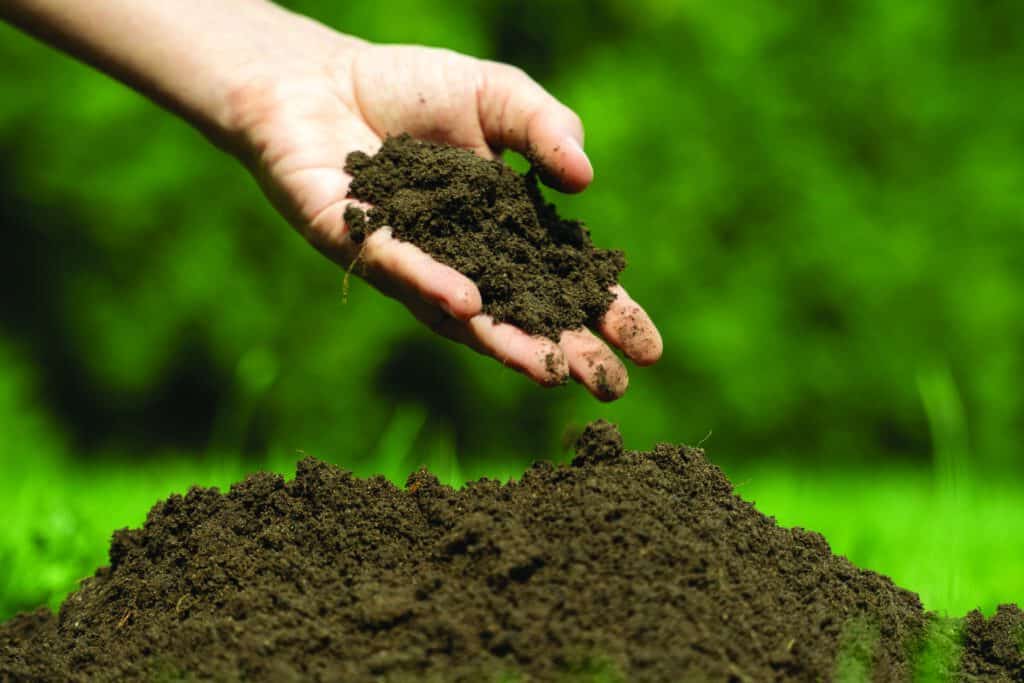
The very top layer of undisturbed soil is topsoil. Topsoil consists of weathering rock and decaying organic materials that naturally occur over many years. It is often referred to as a non-renewable resource. The thickness of the topsoil along the Florida Gulf Coast area is usually around 5-7 inches and can be as thick as 12” in some areas. In contrast, topsoil depth of up to 6 feet occurs in the areas of the US interior that were once the prairie lands of North America. This area is now called the “corn belt” of the United States and is some of the most fertile land in the world. These prairie lands naturally produced a rather large yearly biomass (from prairie grasses) for thousands of years that built the incredible mollisol soils of the upper Midwest. Our native longleaf pine sandhill and pine flatwood forests generate very little in the way of topsoil. Whatever the depth, topsoil is extremely important.
WHAT IS IN TOPSOIL?
Microorganisms are the single most important aspect to topsoil. The mineral content of any soil provides the structure. Microbes are the “biological engine” that turns dead dirt into fertile soil. Without them, the nutrient cycle would stop, and plant life would struggle to survive. A single teaspoon of healthy topsoil contains as much as one billion bacteria and up to 10,000 species. This includes bacteria, fungi, actinomycetes, and protozoa. Topsoil also retains 18-20 times its weight in water. The best topsoils have a loamy texture with the perfect blend of sand for drainage, silt for nutrients and clay for water holding capacity.
SAVE THE DIRT!
Erosion of topsoil globally is reported to be 10-40 times faster than it can be naturally replenished. Without topsoil, all plant life would struggle, so this is a real concern. Farmers employ no-till practices and plant cover crops to help hold the topsoil in place. The clearing and grading of land for new development can often lead to major topsoil losses from water and wind erosion. Site contractors will often remove the topsoil, stockpile it, and protect it. Once they achieve their required grade work, they will re-install the topsoil. However, even if all of the required erosion controls are utilized and in place, a storm event with bad timing can cause a great loss of topsoil by erosion.
This non-renewable resource is incredibly diverse and has great importance. Next time you are looking down at the ground underneath your feet… consider its connection to life on this planet earth.